How to Choose the Right Nozzle for Outdoor Power Washing
Selecting the correct nozzle is one of the most important decisions in any outdoor power washing job. The nozzle controls how water pressure is delivered to a surface, and the wrong choice can mean poor cleaning results, wasted time, or even permanent damage to timber, render, paint, or paving. For homeowners and property owners in Glenelg, where coastal conditions, salt air, and sea breezes put constant demands on outdoor surfaces, understanding nozzle options helps you clean effectively while protecting your property.
Why Nozzle Choice Matters
A pressure washer produces a set amount of pressure (measured in PSI or bar) and flow rate (litres per minute). The nozzle determines how that energy is focused. A narrow spray angle concentrates force into a small area, producing intense cleaning power. A wider angle spreads the same force across a larger area, reducing impact and making it gentler on delicate surfaces.
Using a nozzle that is too aggressive can etch concrete, splinter softwood, strip paint, force water behind cladding, or damage window seals. Using one that is too gentle can leave stubborn grime, mould, and salt deposits in place and double the time a job takes.
Understanding Nozzle Colour Codes
Most pressure washer nozzles follow a standard colour-coding system that indicates the spray angle. While minor variations exist between brands, the following is widely used across the industry.
- Red (0 degrees): A pinpoint jet with maximum force. It is rarely suitable for home use and can easily cut into surfaces, strip paint, and cause injury. Most professionals avoid it entirely.
- Yellow (15 degrees): A strong, narrow fan for heavy-duty stripping, removing stubborn stains from hard concrete, and preparing bare metal surfaces.
- Green (25 degrees): A versatile, general-purpose nozzle suited to driveways, paths, patios, fences, and outdoor furniture.
- White (40 degrees): A wide, gentle fan for delicate surfaces such as vehicles, windows, painted weatherboards, and screens.
- Black (65 degrees): A low-pressure nozzle used to apply detergent, soap, or cleaning solutions. It is not designed for rinsing off heavy dirt.
Matching Nozzles to Common Outdoor Surfaces
Concrete Driveways and Paths
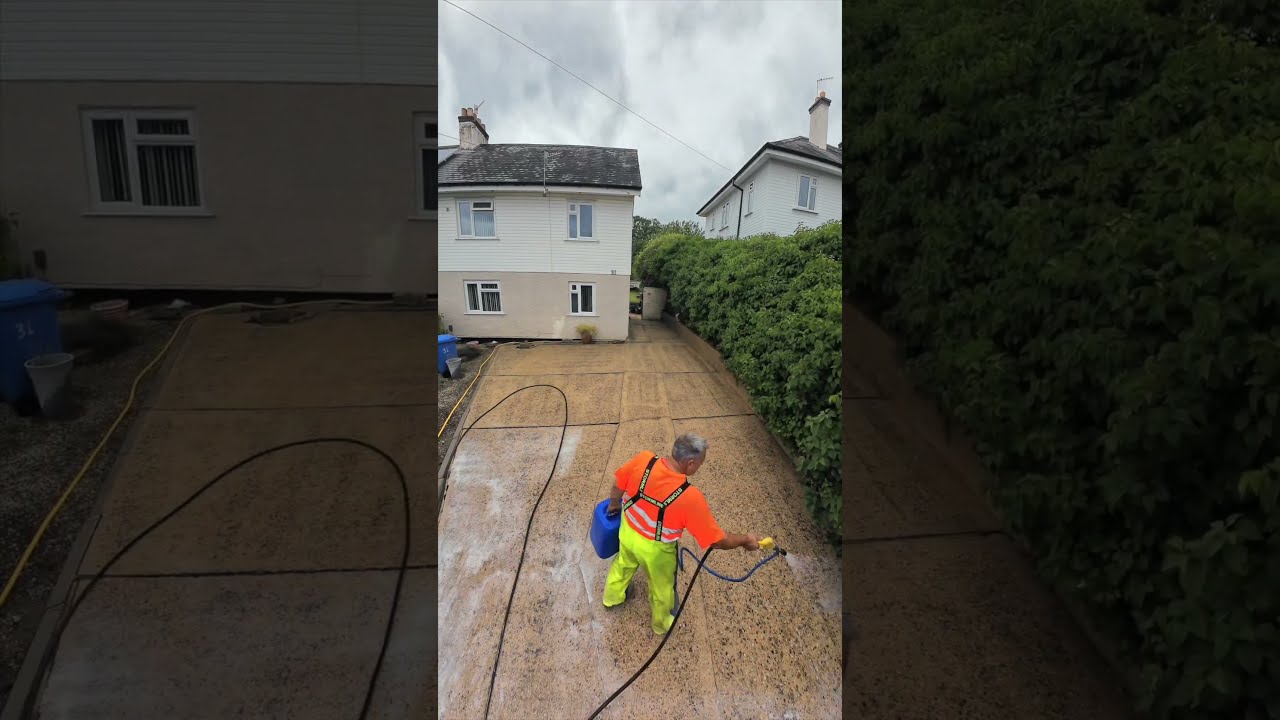
Concrete is durable and tolerates a stronger spray. A green 25-degree nozzle is usually the best starting point for routine cleaning, while a yellow 15-degree nozzle can tackle oil stains, tyre marks, and embedded grime. Many professionals also use a rotary or turbo nozzle on large flat areas, as it covers ground quickly and delivers a powerful cleaning action. Keep the nozzle moving and maintain an even distance to avoid streaks and surface etching.
Pavers and Brick
Pavers common in Glenelg courtyards and entertaining areas need a careful approach. A 25-degree nozzle is typically suitable, https://glenelgpressurecleaning.com.au/solar-panel-cleaning/ but always hold it far enough away to avoid blasting out the sand between the joints. Losing jointing sand can cause pavers to shift and weeds to take hold. Re-sanding after cleaning is often necessary if joints have been disturbed.
Timber Decking and Fences
Timber is softer than it looks, and high pressure can raise the grain, leave furrow marks, and cause fuzzy, splintered surfaces. A white 40-degree nozzle or a green 25-degree nozzle used from a greater distance generally works best. Always spray along the direction of the grain, and test a small, inconspicuous area first. Hardwoods tolerate more pressure than softwoods such as pine.
Painted Surfaces and Weatherboards
Painted cladding, render, and weatherboards need a gentle touch. A 40-degree nozzle with moderate pressure is recommended, and the spray should be directed downward to avoid driving water under boards or into gaps. If paint is already flaking, even a wide-angle nozzle may lift it, so inspect the surface beforehand.
Roofs, Gutters, and Eaves
Roof cleaning requires particular care. Tiles and metal sheeting can be damaged by direct, high-pressure spray, and wet roofs are dangerous to walk on. Low-pressure application with a wide-angle nozzle, often combined with a suitable cleaning solution, is the preferred approach. Because of the safety risks, roof work is best left to trained professionals.
Vehicles, Boats, and Outdoor Furniture
Near the coast, boats, trailers, and outdoor furniture often accumulate salt residue. A white 40-degree nozzle is gentle enough to rinse these items without damaging finishes, gelcoat, or upholstery. Rinsing salt off promptly helps reduce corrosion on metal fixtures.
Specialty Nozzles Worth Knowing
Rotary (Turbo) Nozzles
A rotary nozzle spins a pinpoint jet in a circular pattern, combining the cleaning power of a narrow jet with the coverage of a wider fan. It is excellent for tough stains on concrete and similar hard surfaces but is too aggressive for timber, soft stone, and painted finishes.
Variable or Adjustable Nozzles
These allow you to change the spray angle by twisting the nozzle. They are convenient, but they can be less precise than fixed nozzles, and the settings may drift during use. They suit occasional users who want flexibility, though dedicated nozzles tend to offer more consistent results.
Soap or Detergent Nozzles
A low-pressure soap nozzle draws cleaning solution into the water stream. This is useful for lifting mould, algae, and salt film before rinsing with a higher-pressure nozzle. Allowing the detergent to dwell for the manufacturer-recommended time often reduces the need for excessive pressure.
Surface Cleaner Attachments
For large, flat areas such as driveways, patios, and pool surrounds, a surface cleaner uses spinning jets under a protective housing. It delivers even results, reduces splash-back, and avoids the striped marks that can occur with hand-held wands.
Key Factors to Consider Before Choosing
Beyond the surface type, several other factors influence which nozzle is the right fit.
- Machine pressure and flow rate: Nozzles are rated for specific pressure ranges. A nozzle that does not match your machine can reduce performance or cause damage. Check the orifice size on the nozzle and confirm it suits your washer.
- Type and severity of dirt: Light dust and cobwebs need only a wide spray, while ingrained algae, oil, or rust may call for a narrower angle or pre-treatment with detergent.
- Surface condition and age: Older, weathered, or previously damaged surfaces are more vulnerable. Start with the gentlest nozzle and work up only if necessary.
- Working distance: The closer the nozzle is to the surface, the greater the impact. Increasing the distance is an easy way to reduce intensity without changing nozzles.
- Connection type: Most modern washers use quick-connect fittings, but older or imported models may use threaded fittings. Confirm compatibility before purchasing.
Considerations for Glenelg Properties
Glenelg’s seaside environment creates a few specific cleaning challenges. Salt spray settles on windows, balustrades, fences, and cladding, while damp conditions can encourage mould and algae on shaded walls and paving. Sand can also be blown across driveways and courtyards, and when it is caught in a high-pressure stream it can act as an abrasive on softer surfaces.

For these reasons, a gentler nozzle combined with a pre-rinse is often a smart choice for coastal homes. Rinse loose sand and grit first at low pressure, apply a suitable detergent, then finish with an appropriate rinsing nozzle. Older heritage-style homes and period properties in the area may have softer brick, lime-based mortar, or aged paintwork that is easily damaged by high pressure, so conservative settings and testing in a small area are especially important.
Local water use is also worth keeping in mind. South Australia is the driest state in the country, so using the right nozzle for the job, rather than repeatedly going over the same patch, can help reduce unnecessary water consumption. Also, be mindful of runoff: wash water containing detergents, oils, or paint flakes should not be allowed to flow into stormwater drains, which lead to the coast. Directing wastewater onto lawn or garden beds, where appropriate, or using a containment and recovery system is good practice.
Safety Tips When Changing and Using Nozzles
Always switch off the machine and release the trigger to relieve pressure before swapping a nozzle. Never point the spray at people, pets, or yourself, as high-pressure water can cause serious injuries. Wear closed-in footwear, eye protection, and gloves. When starting any job, begin with a wider nozzle and test a small hidden section, then step down to a narrower angle only if needed. Inspect nozzles regularly for wear, as a worn orifice can alter the spray pattern and pressure, and replace any that are damaged or clogged.
When to Call a Professional
Some jobs are better handled by experienced operators with commercial-grade equipment, particularly roofs, multi-storey exteriors, large commercial areas, and heritage surfaces. Professionals understand how pressure, nozzle selection, detergents, and technique work together, and they carry a range of nozzles and attachments to suit each surface. If you are unsure about a surface or worried about causing damage, seeking a quote from a local power washing service in Glenelg can save time and avoid costly repairs.
Final Thoughts
The right nozzle makes the difference between a clean, well-maintained outdoor space and a damaged one. As a general rule, start with a wider angle and lower impact, test a small area, and only increase intensity when required. Match the nozzle to the surface, factor in Glenelg’s coastal conditions, and keep safety and environmental responsibility in mind. With a little preparation and the right equipment, you can achieve effective, lasting results for your driveway, deck, fence, and exterior walls in 2026 and for years beyond.
Glenelg Pressure Cleaning
Unit 3/2-4 Byre Ave, Somerton Park SA 5044
(08) 7282 0893
Corrections
Spot something wrong? Send it to the desk and it gets fixed in the open.